
By Kimberly Mayer
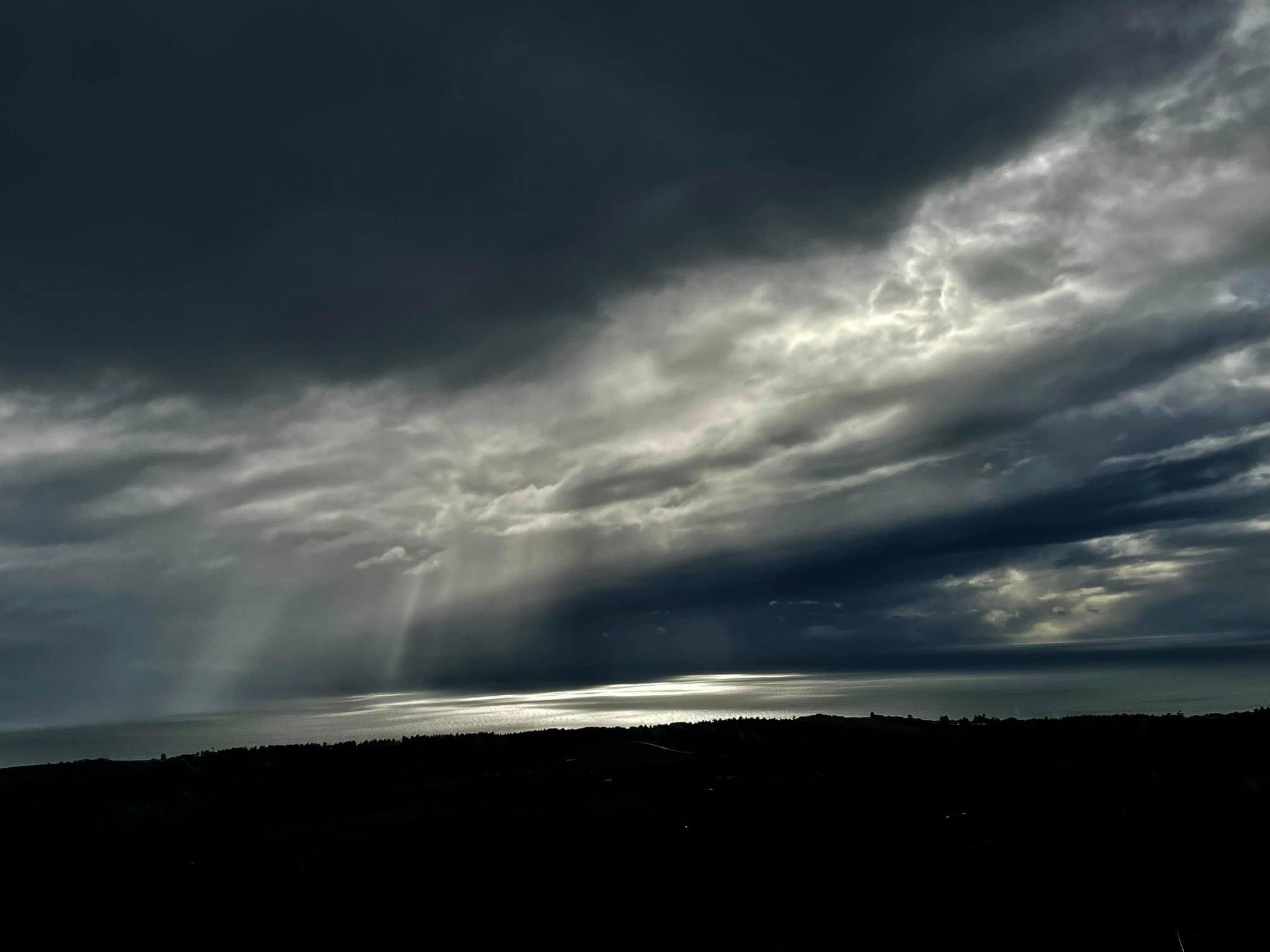
Never one to underestimate the power of books, I recently gave it a good test. “This will be the strongest storm in Northwest history,” they said. “A record-breaking monster storm,” “A bomb cyclone!” was heading our way. It was all we heard about. Winds roared day and night, limbs cracked, and branches flew like arrows. Trees were uprooted, power lines downed. And where was I? Immersed in The Great American Dust Bowl with a hardcover copy of The Worst Hard Time, by Timothy Egan.
“What is it?” Melt White asked his daddy.
“It’s the earth itself,” Bam said. “The earth is on the move.”
“Why?”
“Look what they done to the grass,” he said. “Look at the land: wrong side up.”
For the longest time I didn’t know the difference between prairie and plains. Now I know that plains are flat and treeless. And although “The Great Plains” is often used as an umbrella term to encompass plains, prairies, and steppes, prairies are flat or rolling grasslands of tall grasses, sedges and rush, shrubs, and sometimes trees.
When Native people lived on the prairies and high plains they moved across the land with the seasons. White men drove off the Indians, hunted the bison to the brink of extinction, brought in cattle to over-graze, tractors to over-plow, and gambled on grain with the over-production of wheat. Stripped of native grasses, a good perennial, and replaced with wheat, a weak annual, the topsoil peeled off in the winds. “The great unraveling,” Egan called it.
On top of that, a drought—for years. “And what came from that transformed land… the whole experiment of trying to trick a part of the country into being something it was never meant to be was a colossal failure,” writes Egan.
On Black Sunday, April 14, 1935, birds, animals and insects migrated ahead of the biggest duster yet, nearly two miles high and two hundred miles wide, carrying “twice as much dirt as was dug out of the earth to create the Panama Canal,” according to Egan. Some described it as “a black blizzard, with an edge like steel wool.” Farms were abandoned or blown away, the land looked lunar, folks who were still there were forced to eat tumbleweed—and I barely came up for air in reading The Worst Hard Time.
There was no comparison, of course, between “The strongest storm in Northwest history” and The Great American Dust Bowl. Our storm blazed through quickly like a hurricane—and onward to the Midwest, powering tornados in Missouri, and becoming a nor’easter in New York and New England. And I never lost my reading light.
Now come what may, whatever’s next, I’ve a mind to read Maggie O’Farrell’s Hamnet: A Novel of the Plague.











 a little elbow room
 a little elbow room